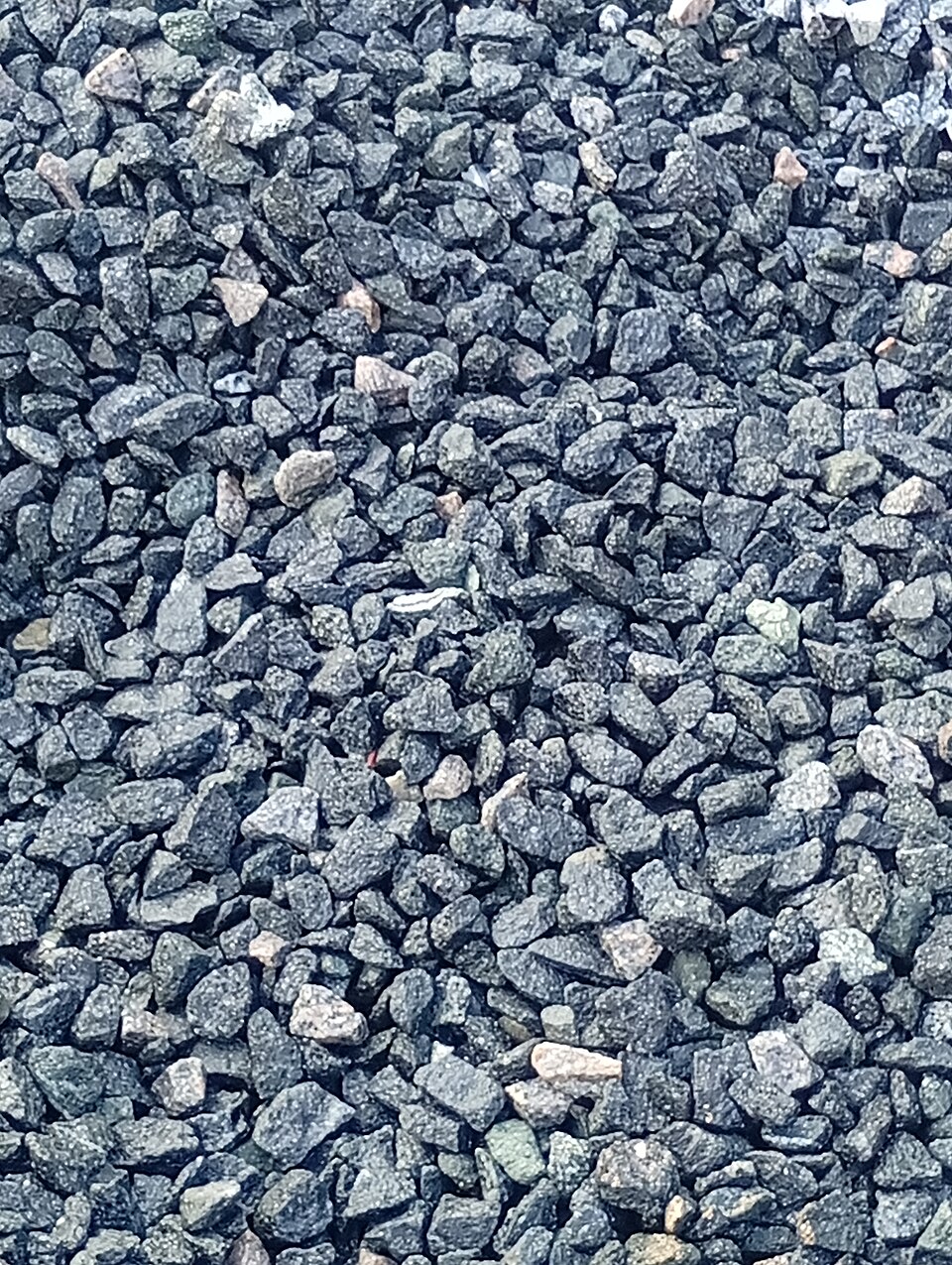
Selected rock
Crushed Stone
Angular broken stone for drainage, bases, pads, and general aggregate.
Sharp angular edges with gray stone faces. Planning density: 100 lb/ft3.Free gravel yardage calculator: find how much gravel you need in cubic yards, tons, bags, and cost for driveways, patios, drains, shed bases, landscape beds, and more.
Gravel jobs are easier when you can match the calculator to the real project. These examples show common use cases and link to the purpose-built tools with the right fields, depths, layers, and assumptions.
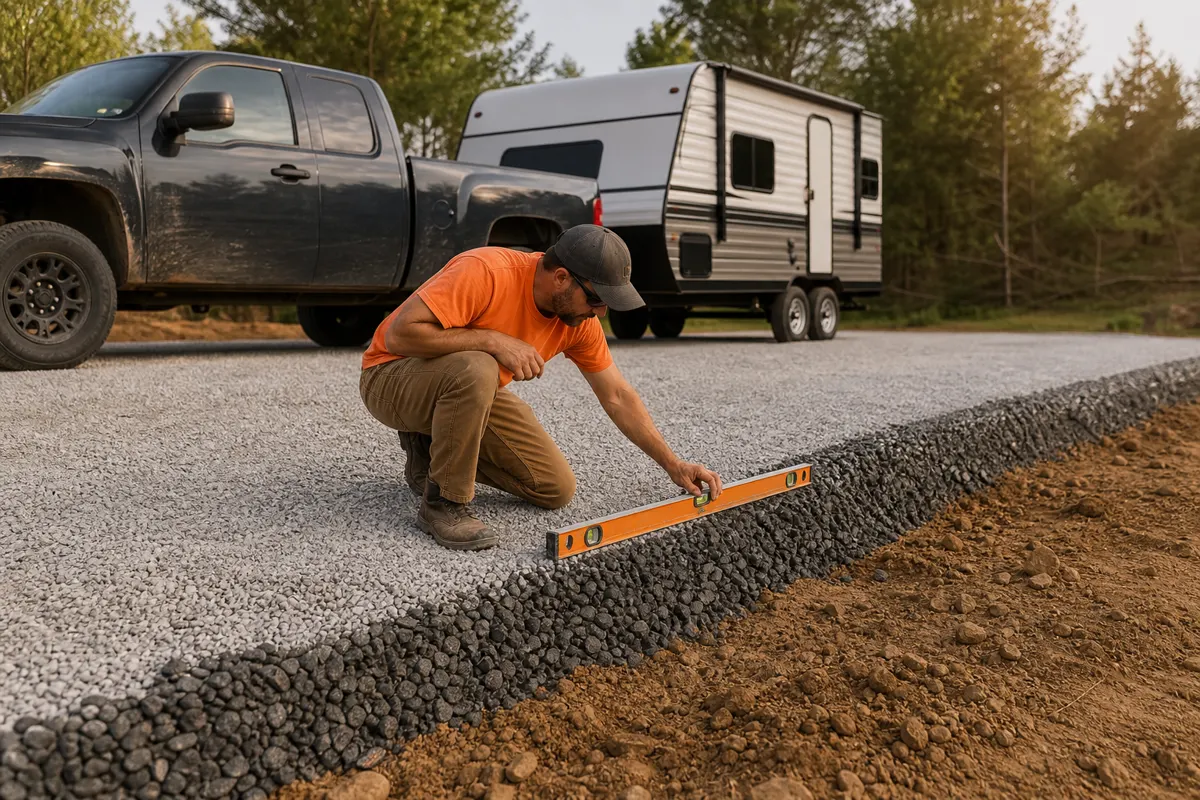
Measure the pad length and width, then calculate separate base and surface layers for vehicle support.
Open calculator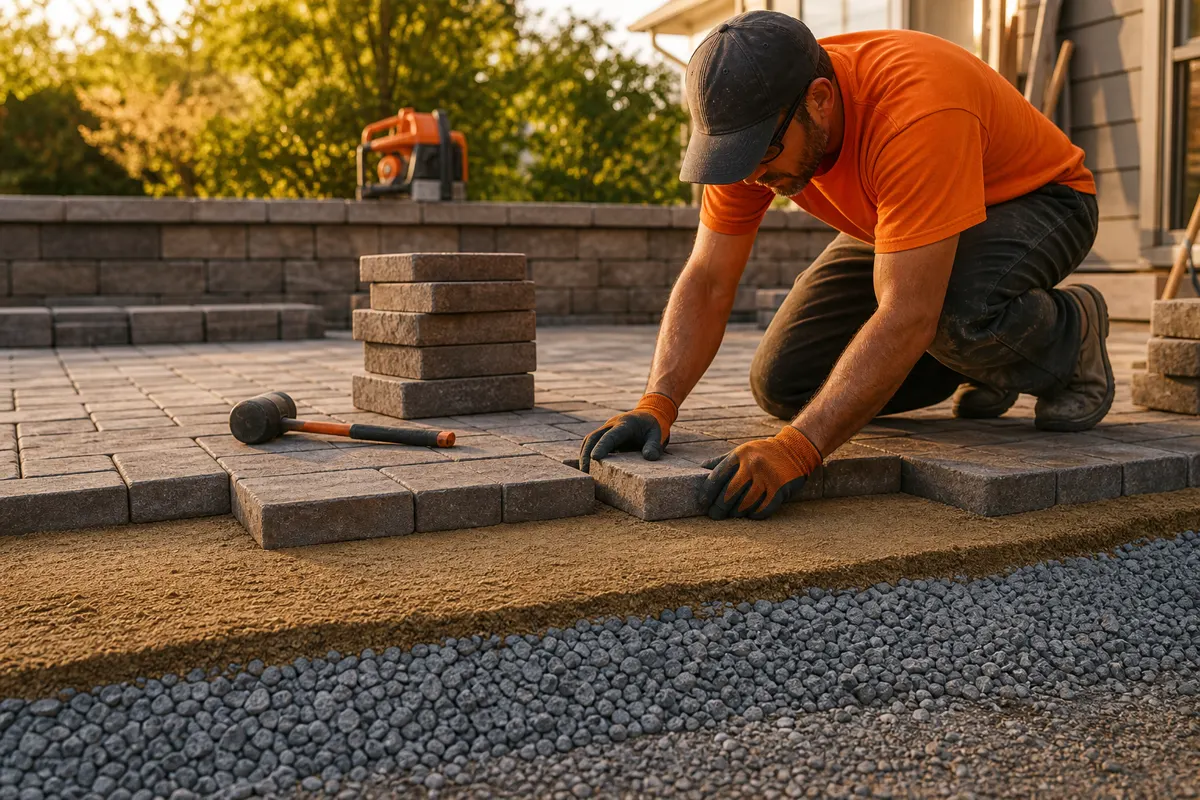
Estimate compacted aggregate base and the separate 1 inch bedding sand layer for pavers.
Open calculator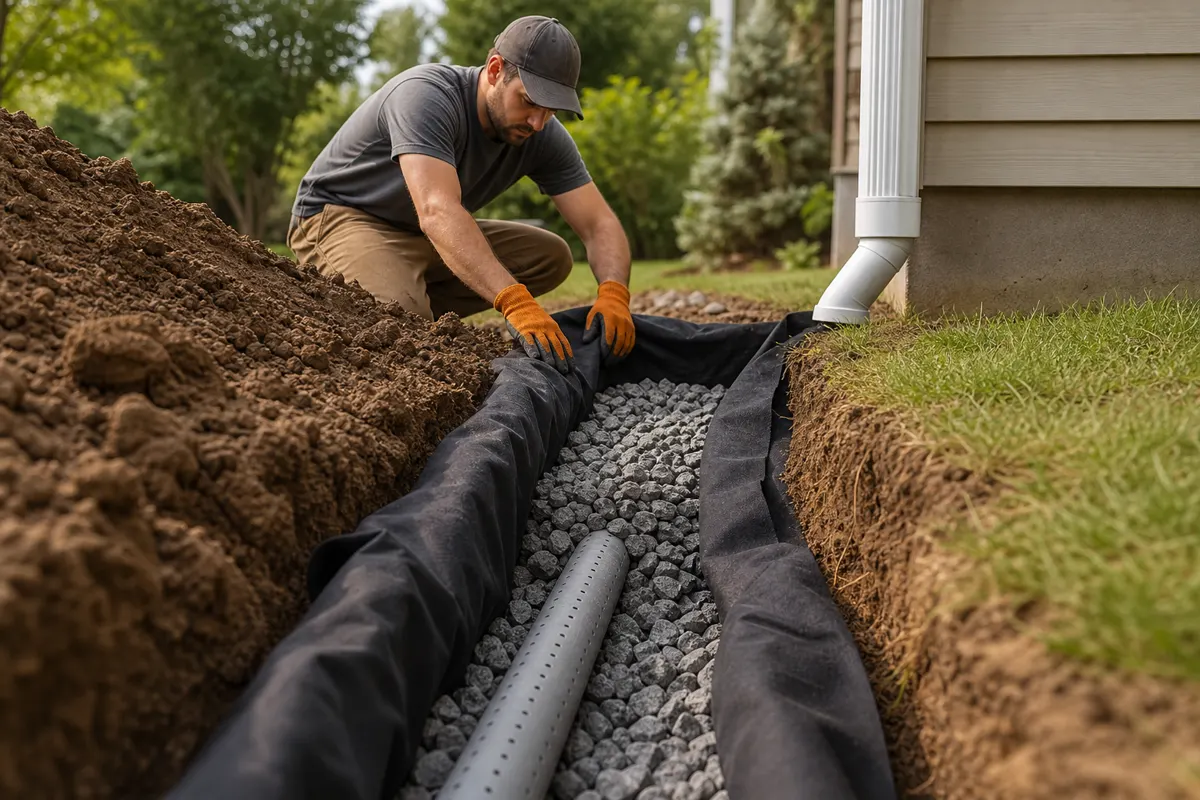
Enter trench dimensions and pipe size so the calculator subtracts pipe displacement from rock volume.
Open calculator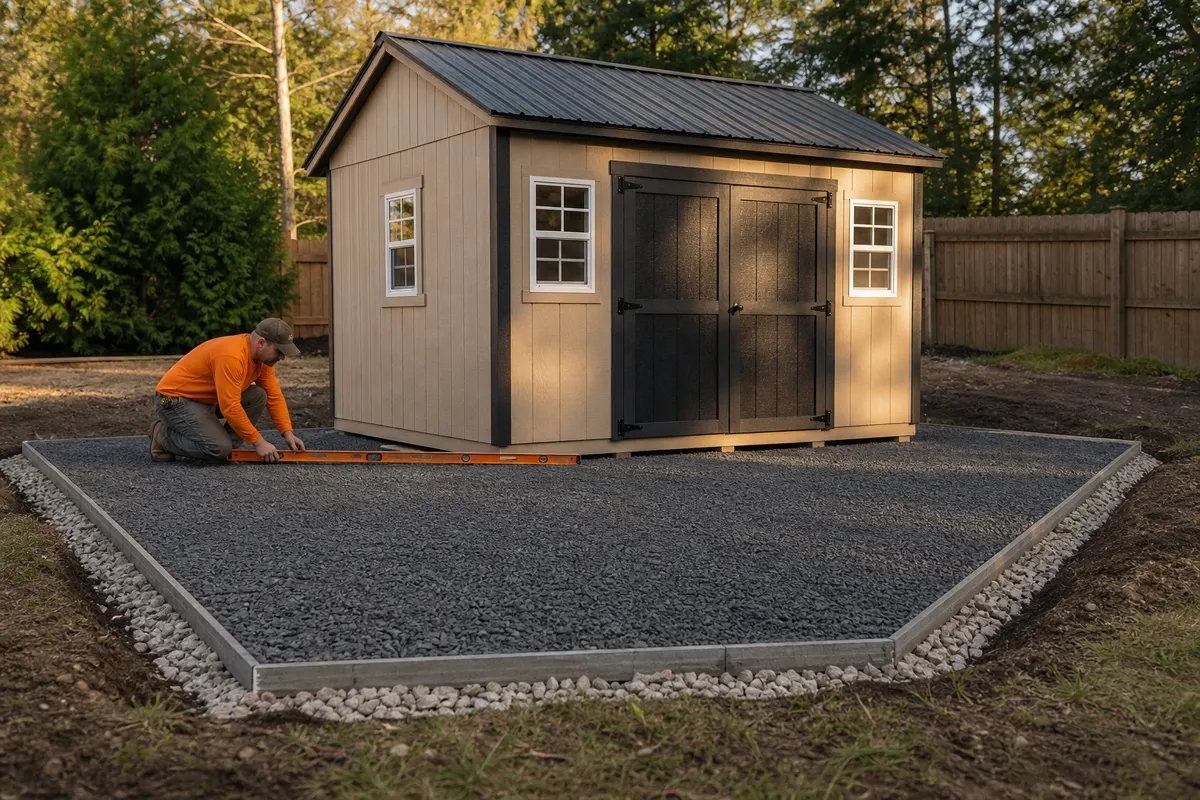
Start with the shed size and choose an overhang so the expanded gravel footprint is calculated for you.
Open calculator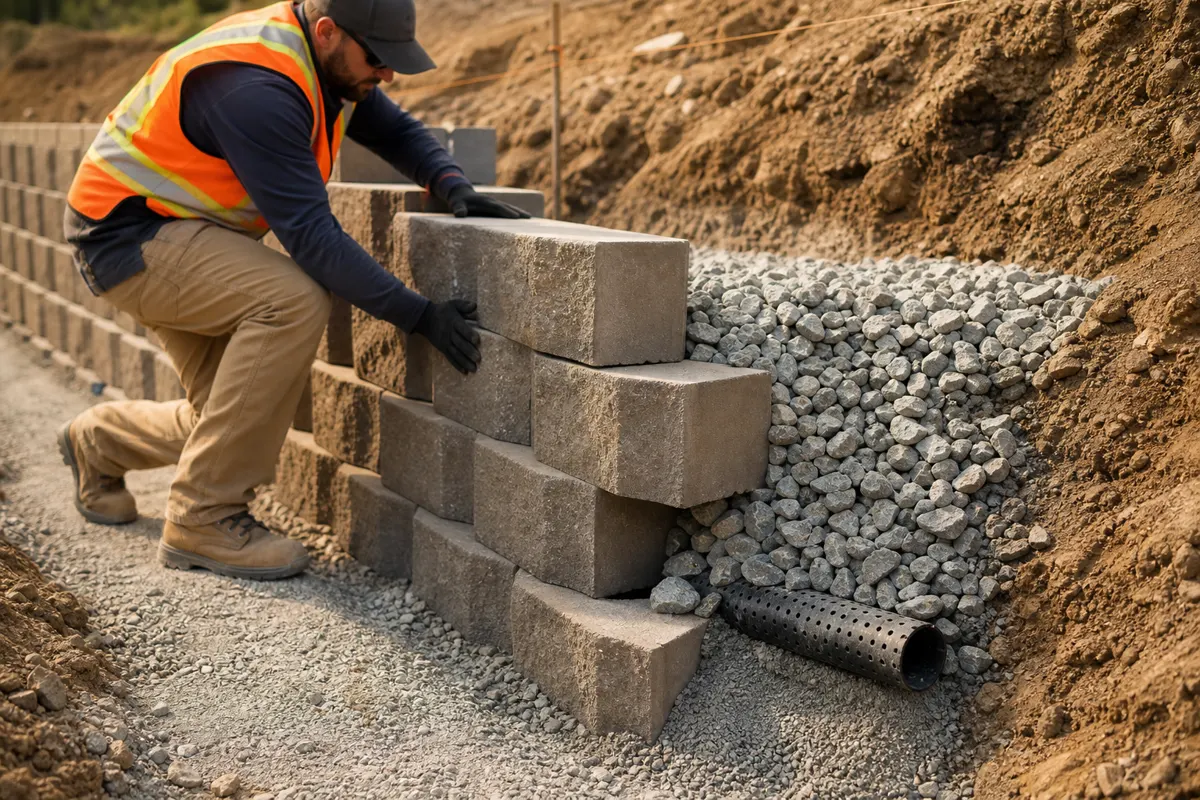
Estimate clean drainage stone behind the wall, with optional base trench material.
Open calculator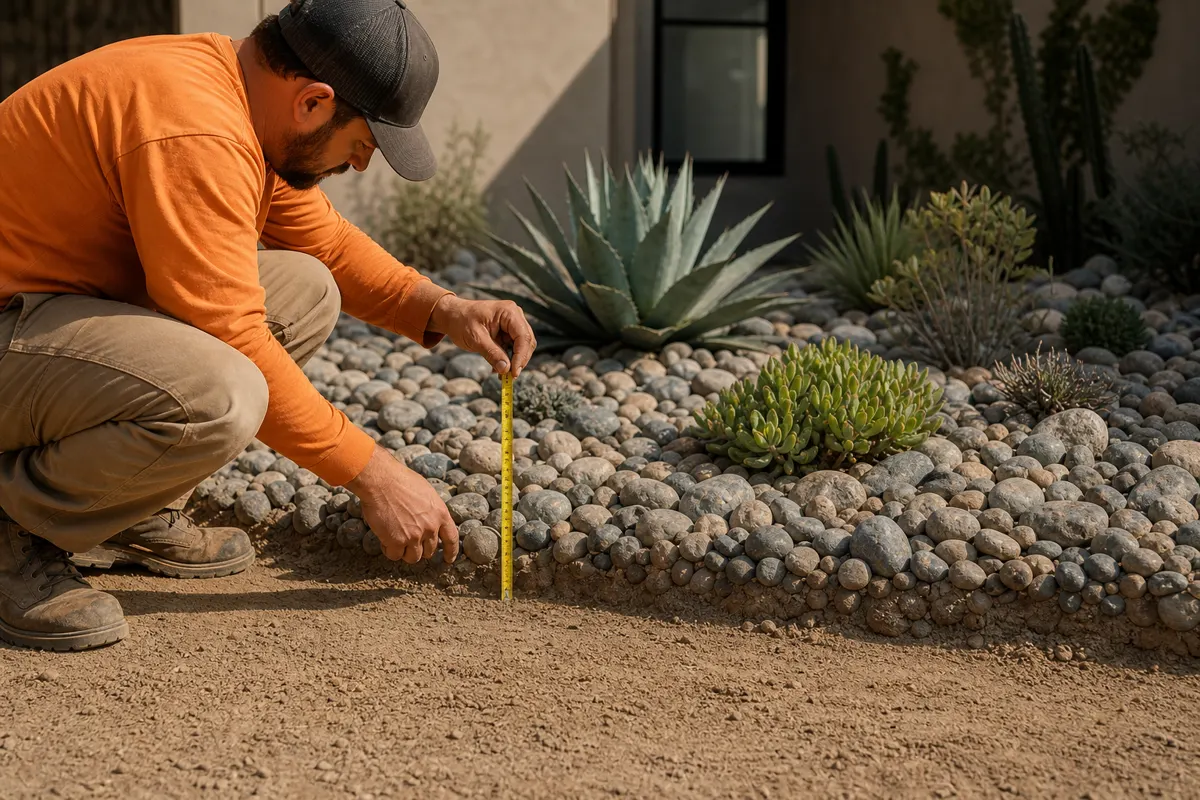
Pick a rock size and bed depth for decorative coverage, then compare yards, tons, and bags.
Open calculator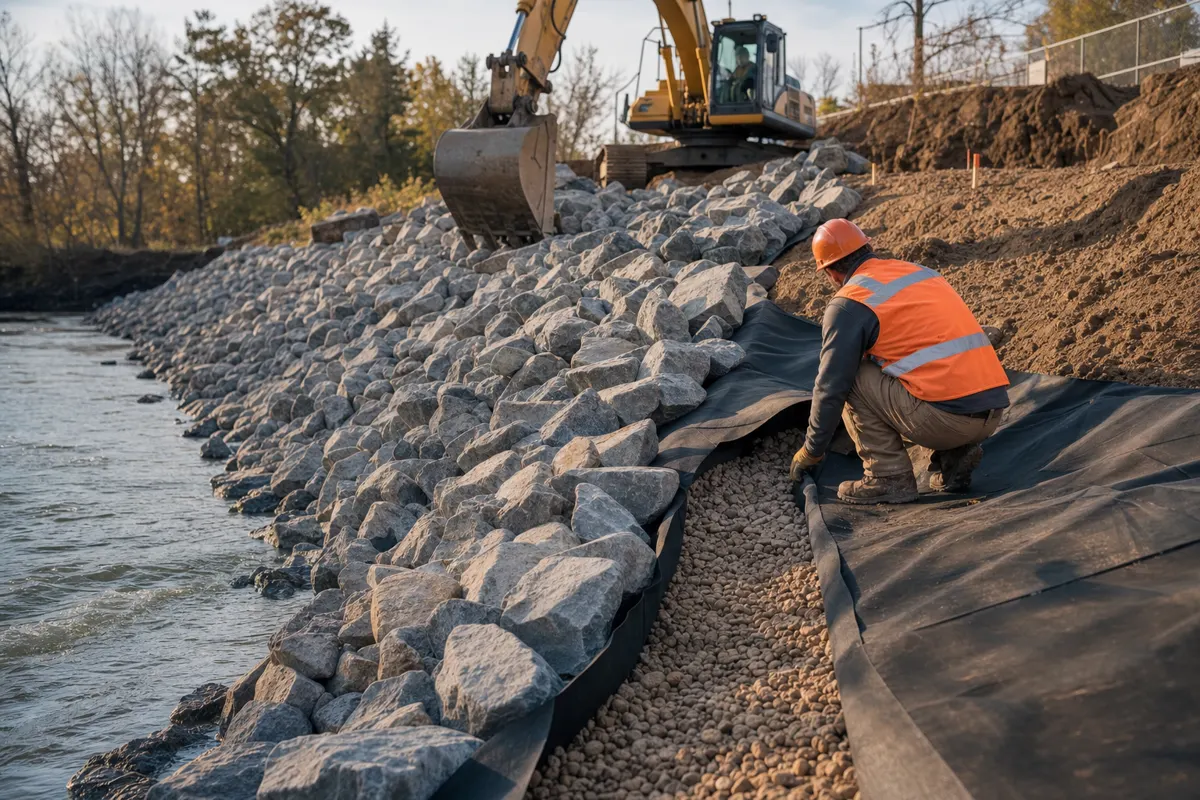
Use slope run and rise to calculate the real slope surface before estimating rock quantity.
Open calculator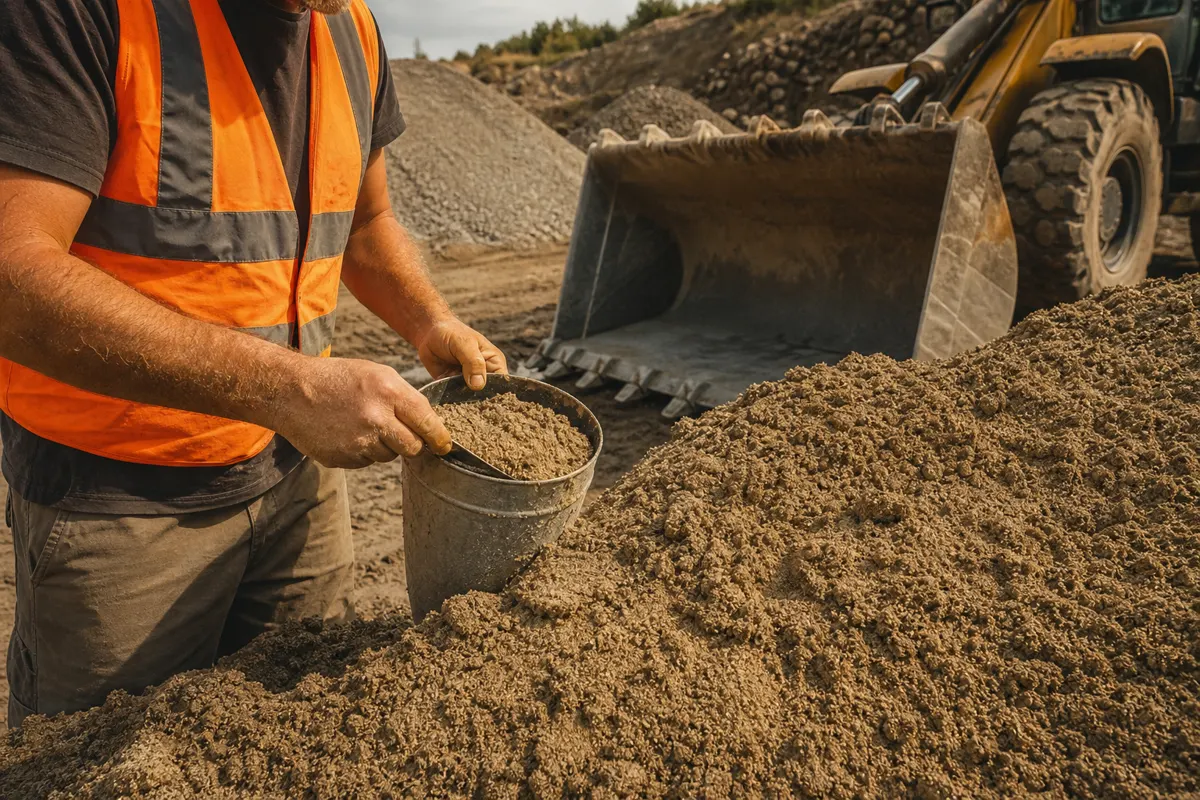
Convert sand yards to tons or tons to yards using dry, damp, wet, or custom density assumptions.
Open calculator| Material | lb/ft3 | kg/m3 | Tons/cu yd |
|---|---|---|---|
| Crushed Stone | 100 | 1,600 | 1.35 |
| Pea Gravel | 95 | 1,520 | 1.28 |
| River Rock | 105 | 1,680 | 1.42 |
| Decomposed Granite | 90 | 1,442 | 1.22 |
| Road Base / Crusher Run | 130 | 2,082 | 1.76 |
| Lava Rock | 60 | 960 | 0.81 |
Multiply length x width x depth, with all dimensions converted to feet, then divide cubic feet by 27 to get cubic yards. This calculator handles the conversions and shows cubic yards, tons, bags, and cost.
A 10 x 10 ft space at 3 in deep uses 25 cu ft, which equals about 0.93 cu yd. With crushed stone, that is roughly 1.16 US tons before any extra waste allowance.
After calculating cubic yards, multiply by the material density. Crushed stone is commonly estimated near 100 lb/ft3, so 1 cu yd weighs about 1.35 US tons. Supplier weights can vary by moisture, gradation, and compaction.
Decorative paths and garden beds often use 2-3 in, driveway surface layers often use 3-4 in, French drain trenches use enough rock around the pipe for drainage, and shed or paver bases often need thicker compacted layers. Use the project-specific calculators for better presets.
Local delivered prices vary widely. Enter your supplier price in the calculator to estimate the project total. The cost field is a planning estimate, not a quote.
Cubic yards measure volume. Tons measure weight. The conversion depends on density: pea gravel, crushed stone, river rock, road base, sand, and lava rock can all weigh differently for the same volume.
Divide total cubic feet by the bag size. Standard small bags often hold 0.5 cu ft. For a 10 x 10 ft space at 3 in deep, 25 cu ft would require about 50 half-cubic-foot bags.